Pain stays limiting
A diagnosed problem continues to restrict walking, work, sleep, or activity after appropriate care.
 Ashleigh E. Korves, DPMFoot & Ankle CareESCall707-575-6033
Foot & ankle surgery
When surgery deserves consideration, the conversation should explain why, what alternatives remain, what the procedure is intended to address, and how recovery may affect daily life.
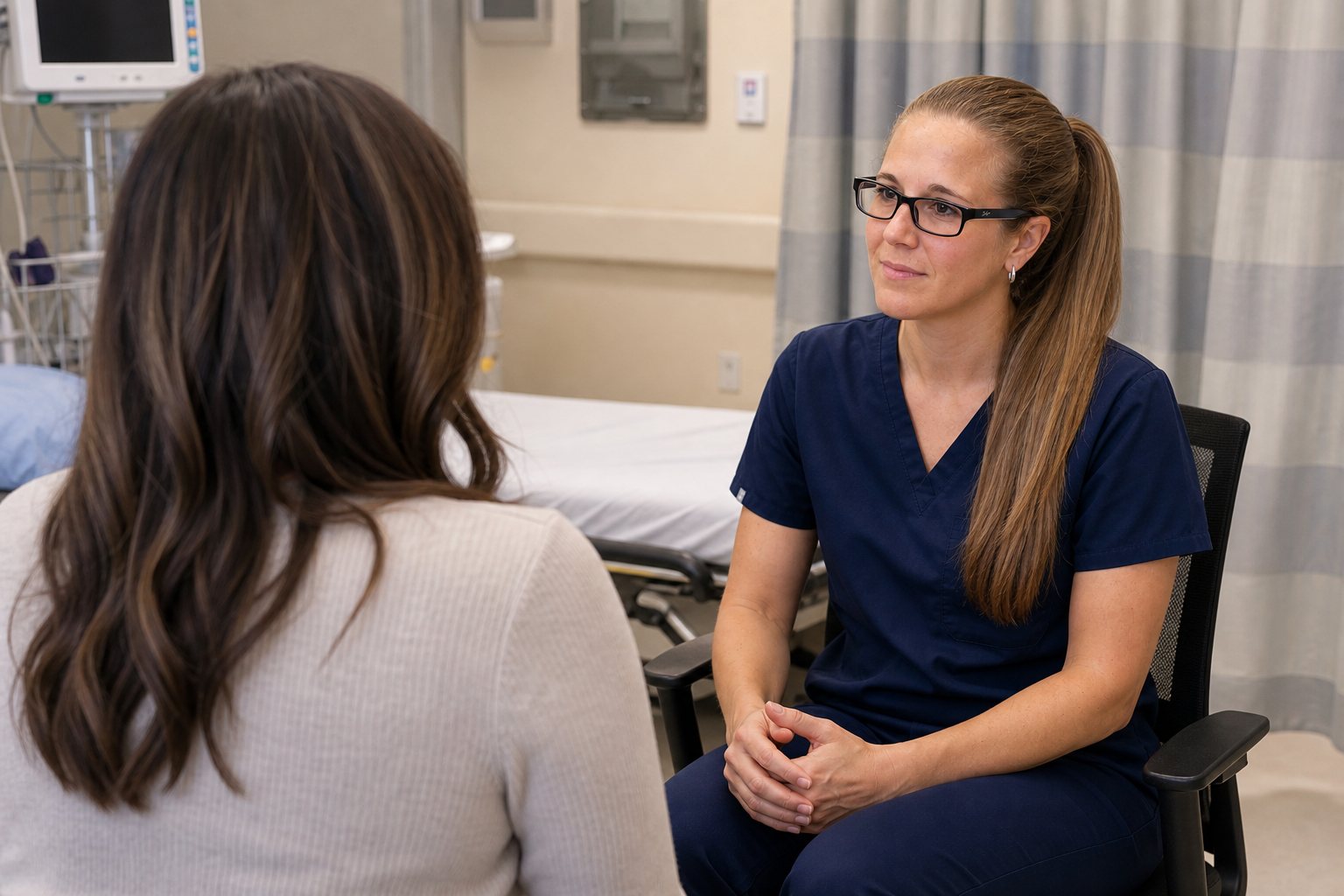
Considering surgery
A surgical recommendation should connect to a clear diagnosis, the severity of the problem, its effect on function, and what appropriate non-surgical care has or has not accomplished. Overall health, goals, support at home, work, and mobility needs also shape the decision.
The conversation should cover what the procedure is intended to change, reasonable alternatives, material risks, and the practical demands of recovery. Procedure and recovery details are specific to the condition, so broad promises or generic timelines are not useful substitutes for an individual plan.
What you may notice
A persistent or complex problem, a prior recommendation for surgery, or questions about whether an operation is truly necessary. The timing and location of symptoms are often as useful as the intensity.
A diagnosed problem continues to restrict walking, work, sleep, or activity after appropriate care.
A deformity, unstable joint, or mechanical problem increasingly affects comfort, shoes, or function.
A fracture, tendon, ligament, or joint injury may need a more structured treatment decision.
A prior recommendation raises questions about necessity, alternatives, timing, or recovery.
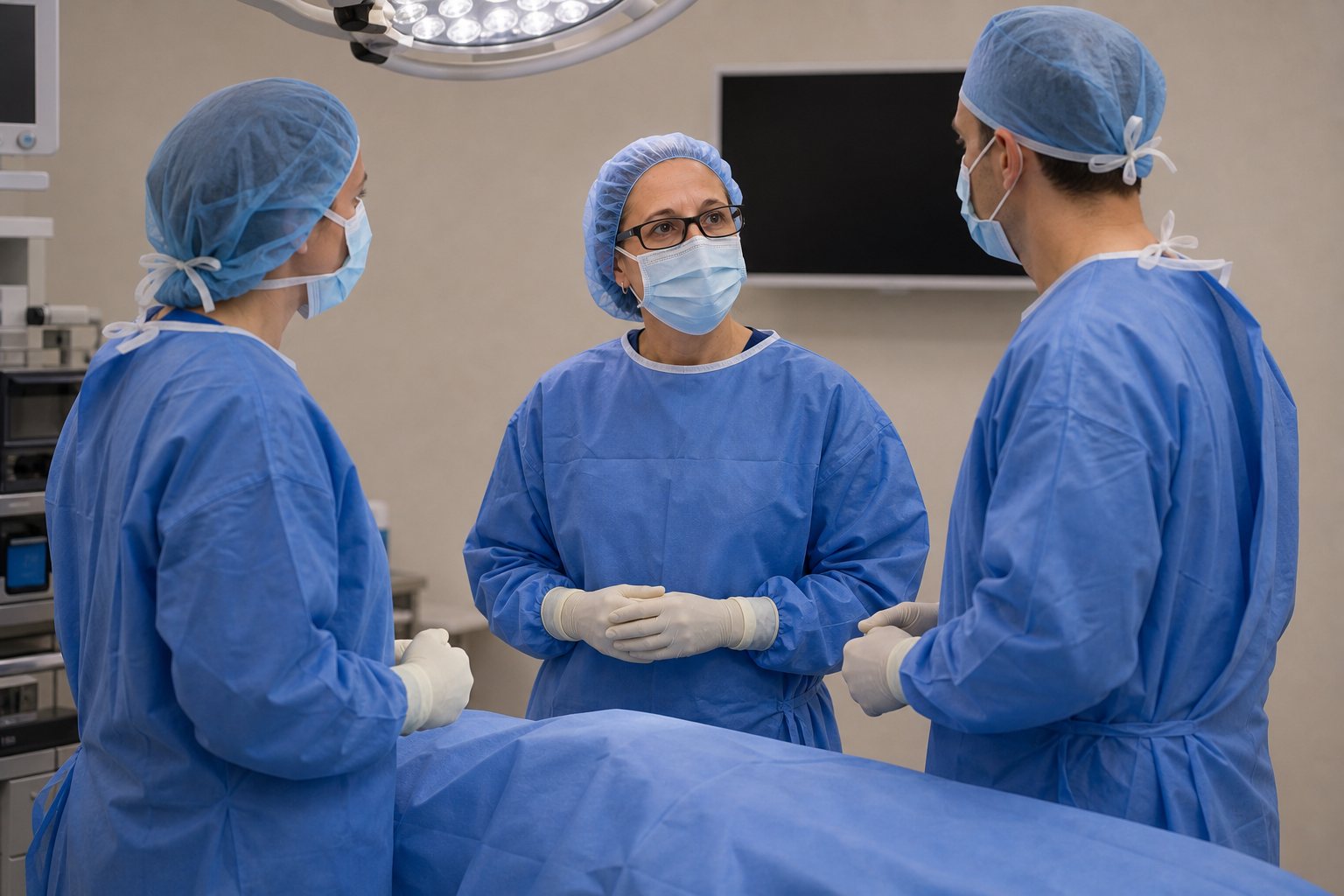
How Dr. Korves may help
Dr. Korves reviews the diagnosis, symptoms, examination, imaging, prior treatment, and functional goals before discussing whether surgery is reasonable. The aim is to make the indication understandable and to identify what another approach could or could not offer.
If surgery remains under consideration, the discussion becomes practical. Health history, medicines, home support, transportation, work, mobility equipment, and postoperative responsibilities can affect both timing and preparation.
Surgical planning
A complete plan covers more than the operation itself. It should explain the purpose of the procedure, preparation, support, restrictions, follow-up, and the milestones that guide later decisions.
Review the diagnosis, expected purpose, reasonable alternatives, and findings that support or change the recommendation.
The procedure and setting should fit the specific condition, health factors, and goals rather than a generic category.
Plan transportation, home access, help, equipment, medicines, work, and other practical needs in advance.
Restrictions, wound care, rehabilitation, and return to activity should follow the procedure-specific plan.
Advanced options, when appropriate
Weight-bearing, immobilization, wound care, rehabilitation, and return to work or activity vary by procedure and patient. Dr. Korves can explain the milestones and uncertainties for the operation being considered instead of applying a general schedule.
Call with surgical questions
When to schedule a consultation
An acute deformity, open injury, severe infection signs, or loss of circulation or sensation should not wait for a routine surgical consultation.
For a medical emergency, seek emergency services rather than relying on this website or a routine appointment request.
For your appointment
What problem would surgery address?
What reasonable alternatives remain?
What restrictions should I plan for?
What findings would change the recommendation?
A clear surgical conversation
Call the office to arrange a consultation or second opinion. Bring the diagnosis, prior records, and the practical questions that matter to your life.